Physical Therapist
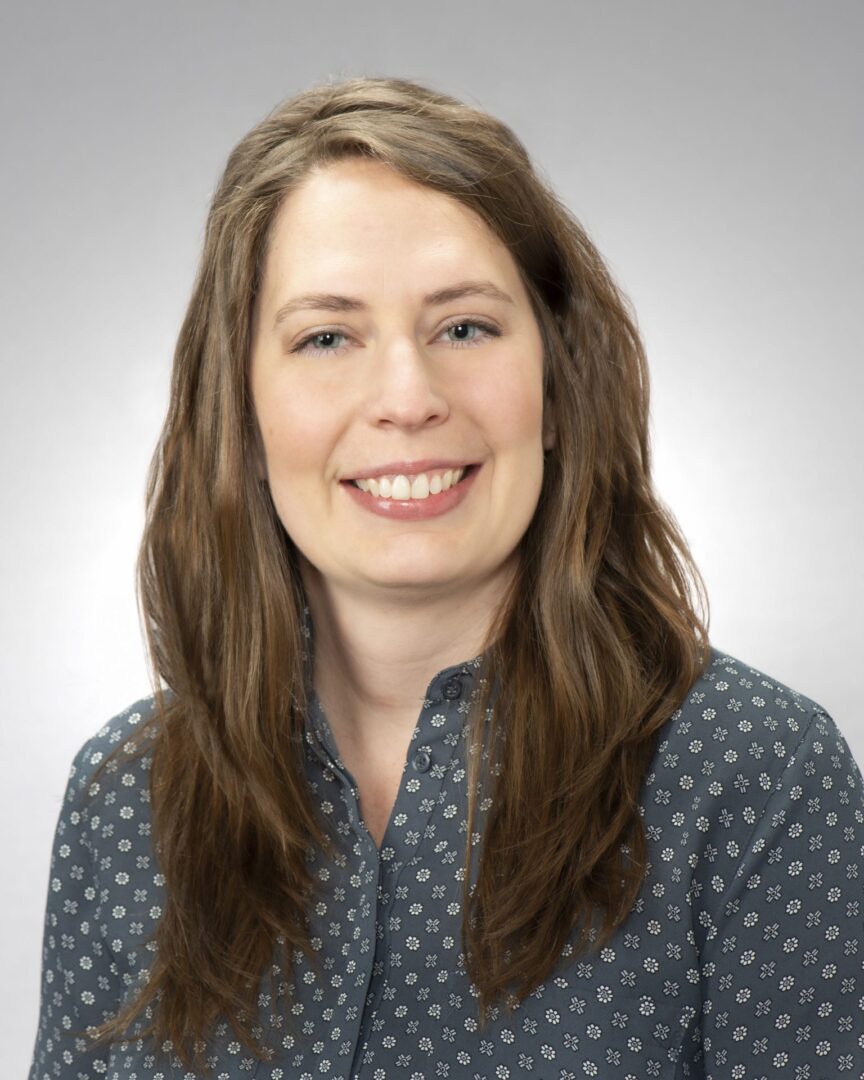
Dr. Emily Miskell
PT, DPT
“My goal is to help you feel educated and empowered about your health and improve your quality of life.”
Treatment Approach
I help adults and older adults build strength, improve movement, and feel more confident managing their health. My clinical interests include cardiac and pulmonary rehabilitation, along with physical therapy before and after joint replacement surgery.
My approach is empathetic and patient-centered. I want to understand how your condition affects your daily life and what you want to improve, whether that’s walking farther, recovering after surgery, or feeling more comfortable with everyday activities.
Education is an important part of our work together. I’ll explain the purpose behind your treatment and help you understand how each exercise connects to your goals.
Conditions & Injuries Treated
- Chronic obstructive pulmonary disease (COPD)
-
Pulmonary fibrosis
-
Congestive heart failure (CHF)
-
Recovery after cardiac surgery
-
Preparation for and recovery after joint replacement surgery
-
Recovery after orthopedic surgery
-
Arthritis
-
Balance difficulties
Patients I Love Working With
- Adults and older adults
-
Patients preparing for or recovering from surgery
-
People with chronic lung conditions
-
People participating in cardiac rehabilitation
-
People concerned about balance or falling
What to Expect at Your First Visit
We’ll begin by discussing your symptoms, health history, and the activities you want to improve.
I’ll complete a thorough examination and explain how the findings relate to your concerns. Then, we’ll discuss a treatment plan based on your needs and goals.
You’ll have time to ask questions about your condition, your exercises, and what to expect as we move forward.
Testimonials
Frequently Asked Questions
Why is movement important after joint replacement surgery?
After many joint replacement procedures, guided movement is part of recovery. We’ll follow your surgeon’s instructions and work on the mobility and strength needed for everyday activities.
I’ll explain which movements are appropriate for your stage of healing and how to practice them at home.
Why do I feel short of breath when my oxygen reading is normal?
Your oxygen reading doesn’t tell us everything about how hard your body is working. You can feel short of breath during activity even when your oxygen level is within your prescribed range.
We’ll look at your symptoms alongside your readings and practice ways to manage activity, including pacing and breathing strategies. Let your care team know if your breathlessness is new or worsening.
Can breathing exercises help if I already use supplemental oxygen?
Breathing exercises and supplemental oxygen serve different purposes. Oxygen supports your prescribed oxygen needs, while breathing techniques may help you control your breathing and manage breathlessness during activity.
We’ll practice techniques appropriate for you. Continue using your oxygen as prescribed unless your prescribing clinician changes your instructions.
Why do some physical therapy exercises feel challenging?
To improve strength and endurance, your body needs an appropriate challenge. That challenge should reflect your current abilities, condition, and stage of recovery.
I’ll monitor your response and adjust your exercises as needed. Tell me how you’re feeling so we can find a level that helps you progress.
How can exercise help arthritis?
Exercise can strengthen the muscles supporting your joints and help maintain movement. It may also make daily activities more manageable.
We’ll select exercises based on your symptoms and abilities, then adjust the amount and intensity as you progress.
Education
- Doctor of Physical Therapy, University of Pittsburgh
-
Bachelor of Science in Rehabilitation Science, University of Pittsburgh
Certifications
- Pathokinesiology and Conceptual Foundations of Medicine
-
Level I Instrument-Assisted Soft Tissue Mobilization
-
Level I Biomechanical Taping
-
Selective Functional Movement Assessment
-
McKenzie Mechanical Diagnosis and Therapy: Lumbar Spine
-
APTA Credentialed Clinical Instructor
Advanced Training
- Cardiopulmonary Therapy
Sees Patients In