Physical Therapist
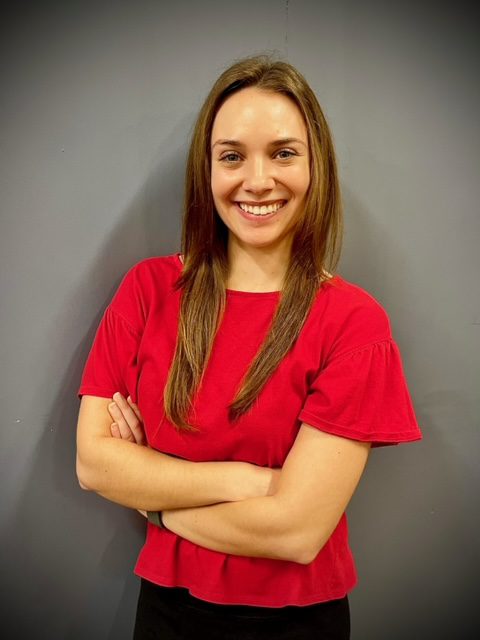
Dr. Rachael Letterman-Plitt
PT, DPT, COMT
“My goal for every patient is to improve their confidence and independence by challenging their strength and pushing their boundaries appropriately to reach their overall goal.”
Treatment Approach
I help patients recover from shoulder injuries, lifting and gym injuries, and sacroiliac joint pain, often called SI joint pain. I also work with patients recovering from surgery and those experiencing positional dizziness.
My approach starts with understanding how your body moves and what you want to accomplish. I’ll explain the area we’re treating, talk through your concerns, and build a plan around your goals.
Strength training is part of my own routine, so I especially enjoy helping patients return to lifting and exercise. Whether your goal is getting back to the gym, recovering after surgery, or moving more comfortably at home, we’ll work on building your strength, confidence, and independence.
Conditions & Injuries Treated
- Shoulder pain and injuries, including rotator cuff and labral injuries
- Knee pain and injuries
- Foot and ankle pain and injuries
- Lifting and gym injuries
- Sacroiliac (SI) joint pain
- Hypermobility conditions
- Cardiac conditions
- Pulmonary conditions
- Positional vertigo (BPPV)
- Post-surgical rehabilitation, including:
- Rotator cuff repair
- Shoulder labral repair
- Shoulder replacement
- Hip labral repair and hip arthroscopy
- Hip replacement
- Knee replacement
- ACL and other knee ligament reconstruction
- Meniscus repair or removal
- Foot and ankle surgery, including Achilles tendon repair, ankle ligament repair, and bunion surgery
Patients I Love Working With
- Teens, adults, and older adults
-
Athletes and people who enjoy lifting or working out
-
Patients recovering from surgery
What to Expect at Your First Visit
We’ll talk about your symptoms, your activities, and what you want to get back to doing. I’ll assess the affected area and explain how your strength and movement relate to your concerns.
You’ll learn what we’ll focus on in treatment and how it supports your goals. I want you to understand the purpose behind your exercises and feel comfortable asking questions as we work together.
Testimonials
Frequently Asked Questions
How long will my recovery take?
Recovery depends on your injury or surgery, your starting point, and how your body responds to treatment. Two people with the same diagnosis may progress at different rates.
During your evaluation, we’ll discuss what to expect and establish goals we can use to track your progress. We’ll revisit those goals as your strength, movement, and function improve.
Should I avoid a movement if it hurts?
We’ll work together to understand which movements increase your symptoms and how to adjust them. Sometimes changing the exercise, reducing the load, or using a smaller range of motion can make an activity more manageable.
Your injury and any surgical restrictions matter, so I’ll help you understand what’s appropriate for you and when an activity needs to be modified.
Does having one leg longer than the other explain my SI joint pain?
A difference in leg length doesn’t automatically explain SI joint pain. We’ll assess your symptoms, mobility, strength, and movement to better understand what may be contributing.
Your treatment will be based on those findings and the activities you’re having trouble with.
During your evaluation, we’ll look at your symptoms, movement, strength, and response to activity. If your findings suggest that further medical evaluation or imaging would be helpful, we’ll discuss the next step.
How do you treat BPPV?
If your evaluation confirms BPPV (benign paroxysmal positional vertigo), treatment may include a series of guided head and body movements called repositioning maneuvers. These are used to move displaced particles within the inner ear.
The movements can briefly bring on dizziness. I’ll explain each step, guide you through treatment, and reassess your symptoms to determine whether additional treatment is needed.
Can you get me back to lifting?
Yes. We can look at the movements that bother you, assess your strength and control, and develop a plan for returning to lifting.
That may include adjusting your technique, addressing strength limitations, and gradually rebuilding the amount of weight and exercise you can tolerate. As someone who lifts regularly, I enjoy helping patients work toward their gym goals.
Education
- Doctor of Physical Therapy (DPT), Chatham University
- B.S. Biology, Geneva College
Certifications
- Certified Orthopedic Manual Therapist (COMT)
Advanced Training
- Class IV Deep Tissue Laser Therapy
Sees Patients In