
Physical Therapy for ACL Injuries
An ACL injury can interrupt your sport, your workouts, and everyday activities. Whether you’re preparing for surgery, recovering afterward, or exploring nonsurgical care, Lifeline Physical Therapy can help you understand the next steps and work toward feeling confident in your knee again.

ACL Rehabilitation at Lifeline Physical Therapy
An ACL injury can interrupt your sport, your workouts, and everyday activities. Whether you’re preparing for surgery, recovering afterward, or exploring nonsurgical care, Lifeline Physical Therapy can help you understand the next steps and work toward feeling confident in your knee again.
Understanding ACL Injuries
The anterior cruciate ligament, or ACL, is one of the ligaments that helps stabilize your knee. It is especially important during movements such as pivoting, changing direction, and landing. ACL injuries can happen during sports, a fall, or another sudden movement. Some people notice a popping sensation, swelling, or a feeling that their knee may give way. An ACL injury can also occur alongside damage to the meniscus or other knee structures.
Your evaluation and medical diagnosis help determine the right treatment approach. Physical therapy may be part of your care before surgery, after surgery, or as part of a nonsurgical plan.
Physical Therapy Before ACL Surgery
If ACL reconstruction is planned, your surgeon may recommend physical therapy before the procedure. This is often called prehabilitation, or “prehab.”
Before surgery, treatment may focus on:
-
Improving your ability to straighten and bend your knee.
-
Managing swelling.
-
Improving thigh muscle activation and strength.
-
Walking more comfortably.
-
Learning exercises and preparing for the early recovery period.
We’ll work within your symptoms and your surgeon’s recommendations. The goal is to help you approach surgery with a better understanding of your recovery and a stronger starting point.
ACL Rehabilitation without Surgery
Not every ACL injury is treated with surgery. Your orthopedic provider will consider factors such as knee stability, other injuries, and the activities you want to return to.
When nonsurgical treatment is appropriate, physical therapy can help you strengthen the muscles supporting your knee, improve balance and movement control, and build your ability to manage daily activities.
We’ll also monitor how your knee responds. If it continues to give way or limits your progress, we’ll discuss those concerns with you and your care team.
Rehabilitation After ACL Reconstruction
After surgery, recovery happens in stages. Early rehabilitation focuses on protecting healing tissue while helping you regain knee movement, muscle control, and walking ability.
As you progress, your program may include:
- Progressive leg and hip strengthening.
- Balance and single-leg control exercises.
- Practice with stairs, squatting, and other everyday movements.
- Conditioning to rebuild endurance.
- Running, jumping, and sport-specific activities when appropriate.
Your therapist will follow your surgeon’s instructions and account for any additional procedures, such as a meniscus repair. Exercises and activity progressions will depend on your healing, symptoms, and assessment findings.
Returning to Running, Sports, and Exercise after ACL Injury
Being able to walk without pain is an important step. Running, jumping, and changing direction place different demands on your knee.
Later-stage rehabilitation helps bridge that gap. Depending on your goals, treatment may include:
-
Gradually returning to running.
-
Jumping and landing practice.
-
Acceleration, slowing down, and changes of direction.
-
Strength and endurance work.
-
Movements specific to your sport or job.
-
Building confidence in using your recovering leg.
Returning to sport is a decision made with your care team. Time since surgery matters, along with healing, strength, movement control, conditioning, and readiness for your activity. Testing helps identify what is improving and what still needs work.
What to Expect with Treatment at Lifeline Physical Therapy
Initial Evaluation:
We’ll begin by discussing your injury, any surgery, your current limitations, and what you want to get back to doing.
Your therapist will assess areas such as knee movement, swelling, strength, walking, and balance. If you’ve had surgery, we’ll also review your surgeon’s rehabilitation instructions.
Personalized Treatment Plan:
Your program will reflect your stage of recovery and the demands of your daily life, work, or sport.
We’ll explain the purpose of your exercises and choose an appropriate level of challenge. Your plan will progress as your knee becomes ready for more demanding activity.
Regular Progress Assessments:
We’ll reassess your movement, strength, and function throughout treatment. These findings help us adjust your program and identify the next steps.
You’ll understand the milestones you’re working toward and how they relate to your goals.
Continued Support and Education:
What you do between visits is part of your recovery. We’ll provide exercises and guidance on managing activity, recognizing your knee’s response, and progressing appropriately.
As you approach the end of physical therapy, we’ll help you plan how to continue building strength and fitness.

FAQs About ACL Rehabilitation
Do all ACL tears require surgery?
No. Some ACL injuries can be managed without surgery. The decision depends on knee stability, associated injuries, your goals, and your orthopedic provider’s assessment. Physical therapy can support either treatment pathway.
Can I start physical therapy before ACL surgery?
Yes. Your surgeon may recommend physical therapy before surgery to improve knee movement, address swelling, and build strength. Your therapist will tailor treatment to your injury and any restrictions.
How long does ACL rehabilitation take?
ACL recovery takes months, and returning to demanding sports generally requires an extended rehabilitation process. Your timeline depends on your injury, whether you’ve had surgery, any additional procedures, and your progress.
Your care team will use both healing time and functional milestones to guide decisions.
When can I start running again after my ACL injury?
Running should begin when your knee is ready for the additional demand. Your therapist and orthopedic provider will consider factors such as swelling, movement, strength, and control before recommending a progression.
Can I continue exercising during ACL rehabilitation?
Often, there are ways to stay active while protecting your knee. Your therapist can help you choose or modify activities based on your recovery stage and any surgical restrictions.
Does feeling better mean I'm ready to return to sports?
Feeling better is encouraging, but pain alone doesn’t tell us whether your knee is ready. Strength, endurance, movement control, and confidence also matter. Your rehabilitation should prepare you for the specific demands of your sport.
Ready to discuss your ACL recovery?
Click “Book Online”, or call 412-646-1959 to lock in your first visit today. We look forward to helping you recover from your ACL injury and get back to doing what you love!
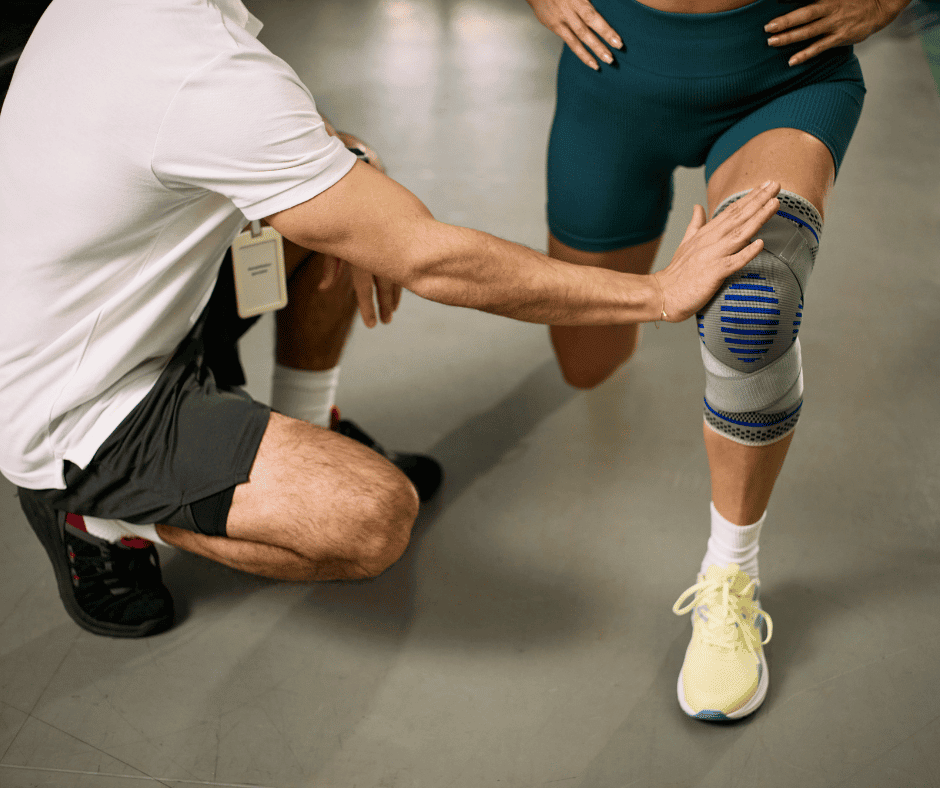
Where can I find treatment for my ACL injury?
Lifeline provides physical therapy for ACL injuries at multiple Pittsburgh-area locations. Our team can help you find an office and therapist suited to your needs, whether you’re preparing for surgery, beginning rehabilitation, or working toward returning to sports.