
COPD & Chronic Lung Conditions
Pulmonary Rehabilitation & Physical Therapy in Pittsburgh, PA plays an important role in helping individuals strengthen their respiratory health and improve daily functioning. Residents of communities such as Clairton and Braddock can especially benefit from these supportive services, which are designed to enhance breathing, increase endurance, and promote a more active, independent lifestyle. With the right care and guidance, many people are able to manage respiratory conditions more effectively and participate more fully in work, exercise, and everyday activities.

Pulmonary Rehabilitation & Physical Therapy in Pittsburgh, PA
At Lifeline Physical Therapy, we specialize in pulmonary rehabilitation and physical therapy for Pittsburgh-area patients living with COPD and chronic lung disease. Pulmonary rehab won’t cure your condition. But it can fundamentally change what your condition allows you to do and how much of your life you get back.
Chronic Obstructive Pulmonary Disease (COPD)
Chronic Obstructive Pulmonary Disease (COPD) is a progressive respiratory condition, but the rate and impact of that progression can vary widely—and it is not something you have to passively accept. Many individuals fall into a difficult cycle where shortness of breath leads to reduced activity, which then causes further deconditioning and makes breathing feel even more challenging. Over time, this can limit independence, reduce tolerance for everyday tasks, and increase the likelihood of flare-ups or hospitalizations.
Structured pulmonary rehabilitation is one of the most effective ways to interrupt that cycle and improve overall function. Our program combines supervised exercise, breathing retraining, and practical self-management education to address both the physical and behavioral aspects of COPD. Exercise is carefully prescribed to improve cardiovascular endurance and muscular efficiency, helping your body use oxygen more effectively. Breathing techniques—such as diaphragmatic breathing and paced breathing—are introduced to reduce breathlessness and give you better control during activity.
The goal is to help you break the cycle of breathlessness and inactivity before it tightens further—improving your ability to move, reducing symptom severity, and supporting a higher quality of life with fewer interruptions from your condition.
Emphysema
In emphysema, the air sacs in the lungs become damaged and lose their elasticity, reducing the surface area available for oxygen exchange and making it harder to move air in and out effectively. This leads to air trapping, increased effort with breathing, and a sensation of shortness of breath that can make even mild exertion—like walking short distances, climbing stairs, or carrying groceries—feel overwhelming. Over time, this often results in reduced activity levels, which further weakens the muscles that support breathing and movement.
Pulmonary rehabilitation is designed to address these challenges by improving how efficiently your body uses the lung function you still have. A key focus is rebuilding peripheral muscle strength—particularly in the legs and core—so everyday tasks require less overall effort and oxygen demand. As your muscles become more conditioned, they are able to perform work more efficiently, which helps reduce the strain on your respiratory system.
We also incorporate targeted breathing strategies, such as pursed-lip breathing and coordinated breathing techniques, to help manage air trapping and improve ventilation during activity. These techniques can make it easier to control your breathing, reduce feelings of panic or breathlessness, and allow you to stay active longer.
In addition, we guide you through pacing and energy conservation strategies so you can approach daily activities with greater confidence and less fatigue. The goal is to help you do more with the lung function you have—improving endurance, reducing symptom burden, and restoring a greater sense of independence in your day-to-day life.
Bronchiectasis
In bronchiectasis, the airways become permanently widened and scarred, losing their ability to clear mucus the way healthy lungs do. Instead of moving through and out of the lungs, mucus pools in damaged airway pockets where it stagnates and becomes a repeated source of bacterial infection. Each infection drives further inflammation, and that inflammation causes more structural damage — creating a cycle that, without consistent management, tends to worsen over time. The result is often a pattern of frequent chest infections, increased breathlessness, fatigue, and a gradual reduction in what feels manageable day to day.
Airway clearance is the foundation of bronchiectasis management, and our approach is built around finding the right combination of techniques for you. We work with you using active cycle of breathing techniques, autogenic drainage, oscillatory positive expiratory pressure (OPEP) devices, and where appropriate, manual chest physiotherapy. Each of these methods works to loosen and mobilize mucus from the airways so it can be cleared more effectively — reducing the bacterial load that drives infection and helping to break the inflammatory cycle. Antibiotics treat the infection itself, but airway clearance addresses the environment that allows infection to keep returning.
We also incorporate breathing retraining to help you manage breathlessness more effectively during daily activity. Learning to control your breathing pattern — particularly during exertion or periods of increased symptoms — can reduce the effort breathing requires and help you feel less overwhelmed when symptoms flare.
Alongside this, we build a progressive exercise program tailored to your current capacity. Exercise supports natural mucus clearance, strengthens the respiratory and peripheral muscles affected by repeated infections, and reduces the fatigue and breathlessness that can make everyday tasks feel disproportionately hard. We progress this carefully, working around exacerbation cycles so you build endurance without setback.
The goal is fewer infections, better day-to-day function, and a clearer sense of how to manage your lungs on your own terms — so that bronchiectasis takes up less of your life.
Pulmonary Fibrosis
In pulmonary fibrosis, the lung tissue becomes progressively scarred and stiff, making it harder for the lungs to expand fully with each breath. This reduces the amount of air that can move in and out, and limits the surface area available for oxygen to pass into the bloodstream. The result is a growing sense of breathlessness — often first noticed during activity, but over time increasingly present at rest — alongside fatigue, a persistent dry cough, and a gradual reduction in what feels physically manageable day to day.
Pulmonary rehabilitation cannot reverse the scarring, but it can make a meaningful difference in how you live with it. A central focus is strengthening the respiratory and peripheral muscles — particularly the legs and core — so that everyday movements require less overall effort. As these muscles become better conditioned, your body is able to perform daily tasks more efficiently, reducing the demand placed on a respiratory system that is already working harder than it should.
We also work with you on breathing strategies tailored to the way fibrosis affects your breathing pattern. Because the lungs are stiffer and less able to expand, learning to breathe in a way that makes the most of the capacity you have can reduce the effort each breath requires and help manage the sensation of breathlessness during activity.
Pacing and energy conservation are equally important. Knowing how to structure your day, approach tasks in a way that minimizes fatigue, and recognize your limits without being defined by them can make a significant difference to your confidence and independence over time.
The goal is to help you do more with the lung function you have — maintaining strength, managing symptoms, and preserving as much quality of life as possible as the condition evolves.
Pulmonary Hypertension
In pulmonary hypertension, the blood vessels that carry blood from the heart to the lungs become narrowed and stiffened, causing pressure within those vessels to rise significantly. The right side of the heart — which is responsible for pumping blood through the lungs — has to work much harder to push against this increased resistance. Over time, this places considerable strain on the heart, contributing to fatigue, breathlessness, chest discomfort, and dizziness that can appear even with minimal exertion. For many people, this creates a natural but understandable fear of activity — a concern that moving too much, too fast, might make things worse.
Exercise in pulmonary hypertension requires a level of supervision and individualization that goes beyond standard rehabilitation. Our program is carefully structured to build cardiovascular and respiratory endurance gradually and safely, working within the limits of what your heart and lungs can manage at each stage — rather than pushing against them.
The focus is on low-to-moderate intensity exercise that improves how efficiently your body uses the oxygen it receives. As your peripheral muscles become better conditioned, everyday tasks place less demand on your heart and respiratory system, which can meaningfully reduce the breathlessness and fatigue that make daily life feel restricted.
The goal is to rebuild your tolerance for activity in a way that feels safe and sustainable — improving your endurance, reducing symptom burden, and helping you move through daily life with greater ease and confidence.
Asthma (Severe or Exercise-Induced)
In asthma, the airways become inflamed and hypersensitive, causing them to narrow in response to a wide range of triggers — exercise, cold air, allergens, stress, or respiratory infections. During an episode, this narrowing makes it significantly harder to move air out of the lungs, producing the characteristic tightness, wheeze, and breathlessness that can feel frightening and unpredictable. For many people, the fear of triggering an attack becomes as limiting as the attacks themselves — leading to a gradual withdrawal from physical activity, social situations, and the things that matter most in daily life.
When asthma is poorly controlled or has a significant impact on daily function, structured pulmonary rehabilitation can make a meaningful difference — not by replacing medical management, but by addressing what medication alone often cannot. A key focus is breathing retraining: learning to recognize unhelpful breathing patterns, such as mouth breathing, upper chest breathing, or hyperventilation, that can worsen symptoms and increase the likelihood of an episode. Techniques such as nasal breathing, diaphragmatic breathing, and controlled breathing during exertion help to reduce airway irritability and make breathing feel less effortful day to day.
We also work with you on understanding and managing your triggers more effectively — helping you distinguish between sensations that require caution and those that are safe to move through. For many patients with asthma, breathlessness during exercise triggers anxiety, which itself worsens breathlessness. Breaking that cycle through gradual, supervised exposure to activity can significantly reduce the fear response and build confidence in your body’s ability to handle exertion safely.
The goal is to reduce how much asthma dictates your choices — improving your breathing control, increasing your tolerance for activity, and restoring the confidence to engage fully in daily life without the constant shadow of the next attack.
Post-COVID Respiratory Complications
For many people, recovery from COVID-19 does not follow a straightforward path. While the acute illness may resolve within weeks, a significant number of people — including those who were not hospitalized — are left with symptoms that persist for months afterward. Shortness of breath that appears with minimal exertion, an inability to sustain activity that once felt effortless, overwhelming fatigue, and a sense that the lungs are simply not working the way they used to. In the Pittsburgh area, many residents are still living with these consequences long after the initial infection has passed, and without a clear explanation for why recovery has stalled.
The mechanisms behind long COVID respiratory symptoms are varied and often overlapping. In some patients, the virus causes direct inflammation or scarring of the lung tissue, reducing the lungs’ ability to expand fully and transfer oxygen efficiently. In others, the cardiovascular and autonomic systems are affected, making the body’s response to even gentle exertion disproportionate and exhausting. Prolonged periods of reduced activity — whether during acute illness or the recovery period that follows — also lead to rapid deconditioning of the muscles that support breathing and movement, compounding the sense of breathlessness and fatigue that makes returning to normal life feel out of reach.
Pulmonary physical therapy is designed to address these overlapping consequences in a structured, progressive way. We begin by assessing how your breathing, cardiovascular response, and muscular capacity have been affected, so that your program is built around what your body actually needs — rather than a one-size-fits-all approach. Breathing retraining helps to correct the compensatory patterns many long COVID patients develop, such as shallow upper chest breathing or breath-holding during exertion, which worsen breathlessness and increase fatigue over time.
The goal is to help you rebuild the capacity to breathe fully, move freely, and return to the activities — work, family, exercise, and everyday life — that long COVID has made harder than it should be.
Lung Transplantation or Other Lung Surgery
For many patients, a lung transplant or other lung surgery represents the end of a long and physically demanding journey — one that has often involved years of progressive breathlessness, reduced activity, and the gradual loss of physical capacity that end-stage lung disease brings. It is natural to expect that a successful procedure will mark the beginning of feeling well again. In reality, the period that follows surgery is its own significant challenge. The respiratory muscles are weakened, endurance is a fraction of what it once was, and the body has frequently been severely deconditioned by months or years of living with advanced lung disease before the procedure even took place. Surgery addresses the underlying condition — but it cannot, on its own, restore the physical capacity that has been lost along the way.
Post-surgical pulmonary rehabilitation is designed to close that gap. Before focusing on fitness or strength, we begin with breathing retraining — helping you relearn how to use your lungs and respiratory muscles effectively in the context of your new or repaired anatomy. Diaphragmatic breathing teaches you to engage the most efficient muscle for breathing, reducing the compensatory upper chest and accessory muscle patterns that many patients develop during periods of respiratory compromise. Pursed-lip breathing helps regulate airflow and manage breathlessness during activity. Where applicable, airway clearance techniques are incorporated to keep the airways clear and reduce the risk of post-surgical respiratory complications.
Once a foundation of breathing control is established, we build a progressive aerobic conditioning program tailored to your current capacity and surgical recovery stage. The aim is to gradually restore cardiovascular endurance — improving how efficiently your heart and muscles use the oxygen your lungs are now better able to provide.
Strength training is incorporated alongside aerobic work, with a particular focus on the peripheral muscles — legs, core, and upper body — that have been weakened by prolonged inactivity and the physical demands of serious illness. Rebuilding this strength reduces the overall effort required by daily movement, which in turn reduces the strain on your respiratory system and helps you regain independence in the activities that matter most.
The goal is to help you realize the full benefit of what surgery has made possible — rebuilding the physical capacity, breathing confidently, and day-to-day function that the procedure alone cannot restore, while supporting you in moving forward with the strongest possible foundation.
General Deconditioning from Chronic Lung Disease
In the early stages of lung disease, breathlessness during activity often leads people to do less. The logic feels sound in the moment — if moving causes discomfort, moving less seems like the sensible response. But over time, reduced activity causes the muscles that support breathing and movement to weaken and decondition, meaning that the same tasks begin to feel harder with less exertion than before. The cycle — breathlessness leading to inactivity, inactivity worsening breathlessness — is one of the most significant and underrecognized factors in how quickly lung disease limits daily life.
Exercise tolerance may be significantly reduced, confidence in the body’s ability to handle activity may be low, and the gap between current capacity and what daily life requires can feel wide and discouraging. It is also common for patients to have received little guidance on how to exercise safely with a respiratory condition — leaving them uncertain about what is appropriate, what is too much, and whether pushing through breathlessness is helpful or harmful.
Our approach is built around breaking this cycle safely and progressively, regardless of where along that spectrum a patient presents. We begin with a thorough assessment of your current capacity, breathing patterns, and symptom response to activity — so that your program starts at the right level and progresses at a pace your body can respond to without being overwhelmed. For patients who are significantly deconditioned, this may mean beginning with very gentle, supported movement and building gradually from there. For others, it means carefully structured exercise that challenges the system appropriately while staying within safe limits.
Breathing retraining runs alongside physical conditioning throughout — helping you develop strategies to manage breathlessness during exertion, reduce the anxiety that often accompanies it, and build the confidence to move through discomfort that is safe rather than stopping at the first sign of effort. Over time, as fitness and breathing control improve together, the threshold at which breathlessness appears rises — and daily life begins to feel more manageable again.
The goal is to interrupt the cycle at whatever point we find it, and to rebuild your tolerance for activity in a way that is sustainable, evidence-based, and tailored entirely to where you are starting from — because it is never too early or too late to make a meaningful difference.
What to Expect with Pulmonary Treatment at Lifeline Physical Therapy
At Lifeline, we understand that living with a pulmonary condition can be exhausting—both physically and emotionally. Our team is here to listen, take your symptoms seriously, and support you every step of the way.
We’re focused on helping you breathe easier, build endurance, stay active, and feel more in control of your daily life.

Initial Evaluation:
Your recovery starts here. At your first session, your pulmonary physical therapist will review your diagnosis, current medications, recent pulmonary function tests, and oxygen requirements. We will conduct a six-minute walk test to establish your baseline exercise capacity and oxygen saturation during movement, assess your respiratory muscle strength, breathing patterns, and activity limitations, and listen carefully to what your condition has taken from your daily life. By the time you leave, you’ll have a clear program, a realistic timeline, and far less uncertainty about what comes next.

Personalized Treatment Plan:
Based on your evaluation, we design a pulmonary rehabilitation program built specifically around your diagnosis, your current lung function, your oxygen needs, and your goals. Whether that means walking to the end of your street without stopping, managing a full day without exhaustion, or staying out of the hospital through the winter, your plan is built around what matters most to you. It may include monitored aerobic exercise, inspiratory muscle training, breathing retraining techniques like pursed lip breathing and diaphragmatic breathing, airway clearance, and structured education on managing your condition long-term. Every element is chosen to help you do more with the lung function you have.
Regular Progress Assessments:
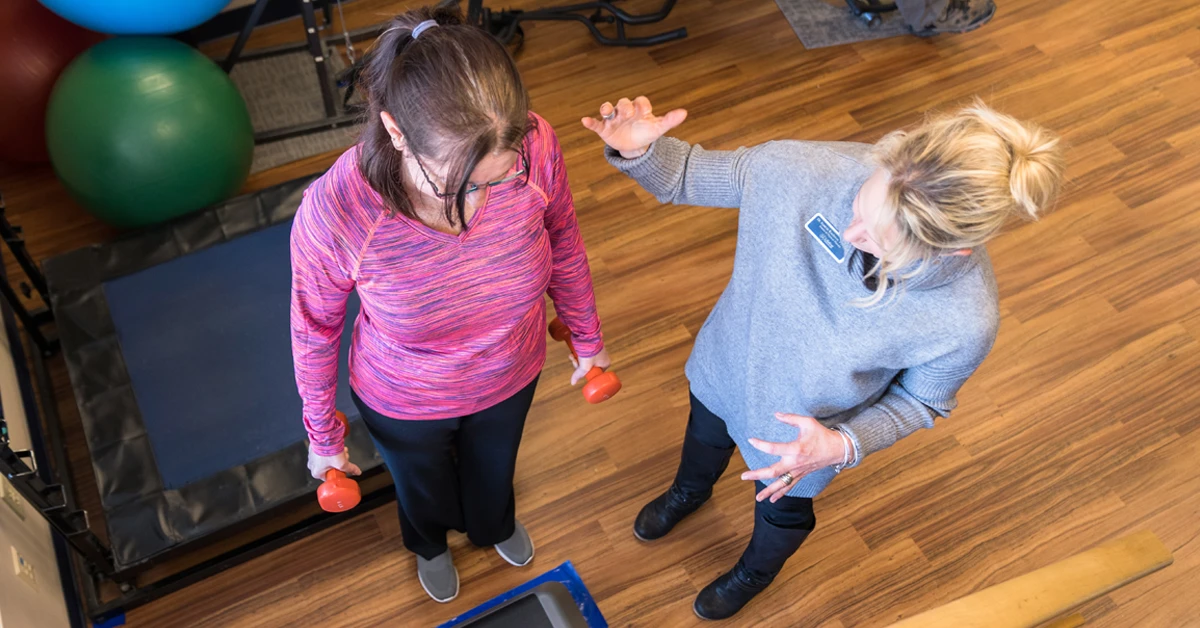
As you move through your program, we continuously track your improvement against real, measurable markers, including walk distance, oxygen saturation, perceived exertion, and daily functional capacity. At every session, your therapist evaluates how you’re responding and adjusts your program accordingly. Progress in pulmonary rehab can be gradual, but it is measurable, and we make sure you can see it. You’ll always know exactly where you stand and what comes next.

Continued Support and Education:
Pulmonary rehabilitation does not end when your program does. Throughout your sessions, we teach you how to manage breathlessness during activity, recognize early warning signs of a flare-up, safely stay active between visits, and maintain your gains long after discharge. Patients who continue exercising after completing a pulmonary rehabilitation program maintain the improvements they have worked for, and we give you everything you need to do exactly that.
At Lifeline Physical Therapy, we view ourselves as your partners in health. Our team is here to support, motivate, and guide you through every step of your treatment program. We’re committed to providing the highest quality care and ensuring you have the tools and knowledge to continue thriving long after your program concludes.
Testimonials
Where can I find these treatments
We offer pulmonary rehabilitation and respiratory physical therapy at multiple Pittsburgh-area locations, so care is close to home, whether you are in the city, the South Hills, the North Hills, or the surrounding suburbs.